The Internet Used to Feel Different
There was a stretch - maybe 2010 to 2015 - when the internet still felt like it was built for people to gather instead of a place to be corralled. You might think we sound like old people yelling at the sky, but bear with us. This isn't just nostalgia; it's a design problem.
Instagram was a photo app. Twitter was chaotic but direct. You followed people because you wanted to see what they posted. And mostly, that's what you saw.
Then the ads showed up. Not banner ads - we'd lived with those forever. Algorithmic ads. Content chosen not by you, but by a system designed to keep you scrolling.
At first, it was subtle. A "suggested post" here and there. But the balance tipped. Today, Instagram shows you more recommended content than posts from people you follow. TikTok's "For You" page decides what you see before you even know what you're looking for. And platforms like Discord or TikTok Shop blur the line between community and commerce in ways most users aren't equipped to navigate.
The business model changed. The platforms followed.
We're Not Anti-Marketing
Full transparency: we work in marketing. We've built campaigns, run ads, helped clients tell their stories online. When it's done well - when it's imaginative, audience-first, genuinely useful - marketing is storytelling. It's connection. It's how ideas move through culture.
But there's a difference between marketing and manipulation.
The incentives driving most platforms today don't reward creativity or trust. They reward engagement - which often means outrage, extremes, and manufactured urgency. The algorithm doesn't care if you're inspired or exhausted. It just wants you to stay. And as people, we already carry enough complexity. We don't need a feed designed to amplify it.
Reclaim Your Digital Home
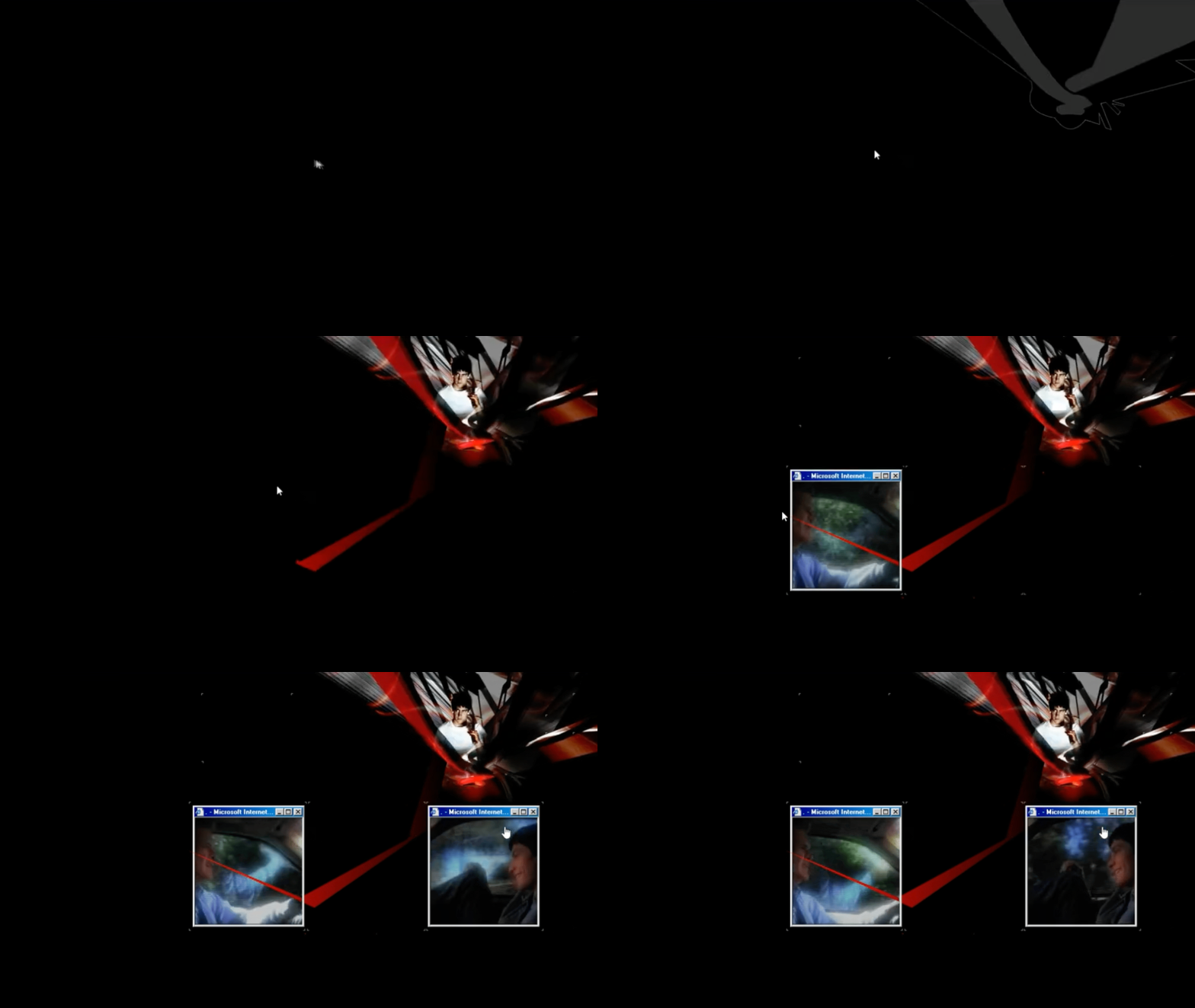
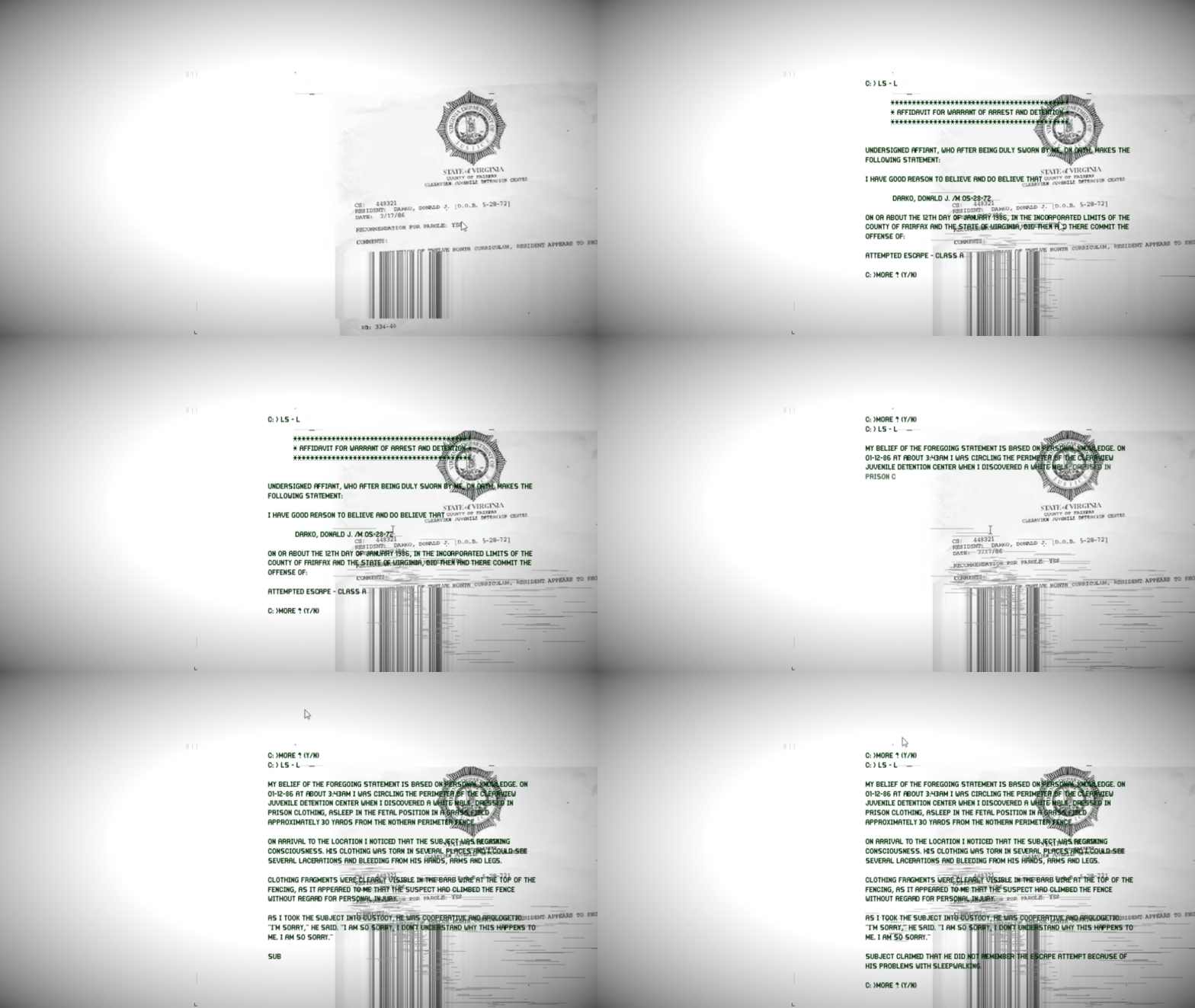
I'll never forget stumbling across the site for Donnie Darko back in 2001. It was strange, unsettling, deliberately confusing - and it had just as much of a statement to make as the film itself. You could get lost in it. You wanted to get lost in it. It wasn't designed to funnel you somewhere else. It was the destination.
That era was full of that kind of thing. Even small businesses had sites with personality - weird layouts, custom fonts, pages that felt like someone actually made them. Then the "easy" tools arrived. Squarespace. Wix. WordPress templates. And honestly? They made building faster. But they also homogenized everything. Sites started looking the same. Feeling the same.
Worse, social media convinced everyone that a website was just a placeholder - a landing page with an About, a Contact form, and a bunch of social icons pointing away from the thing you just built. The real activity happened on Instagram. On LinkedIn. On platforms you didn't own and couldn't control.
Your Website Is the One Thing You Actually Own
When we work with clients, we're not just building a site. We're building a home base. A place that can evolve with them. That reflects their voice, not a template's constraints. That keeps people engaged instead of bouncing them to another platform.
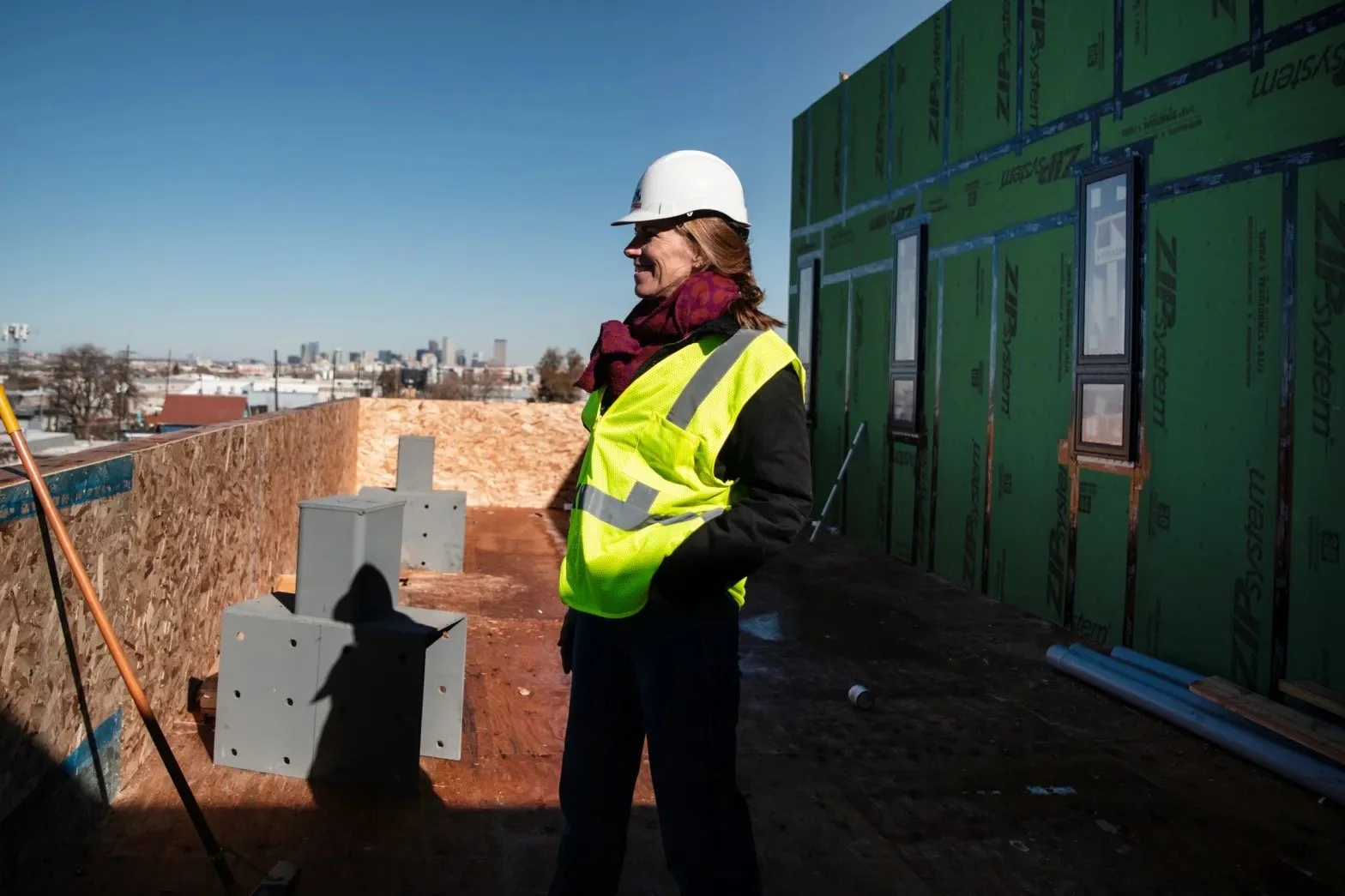
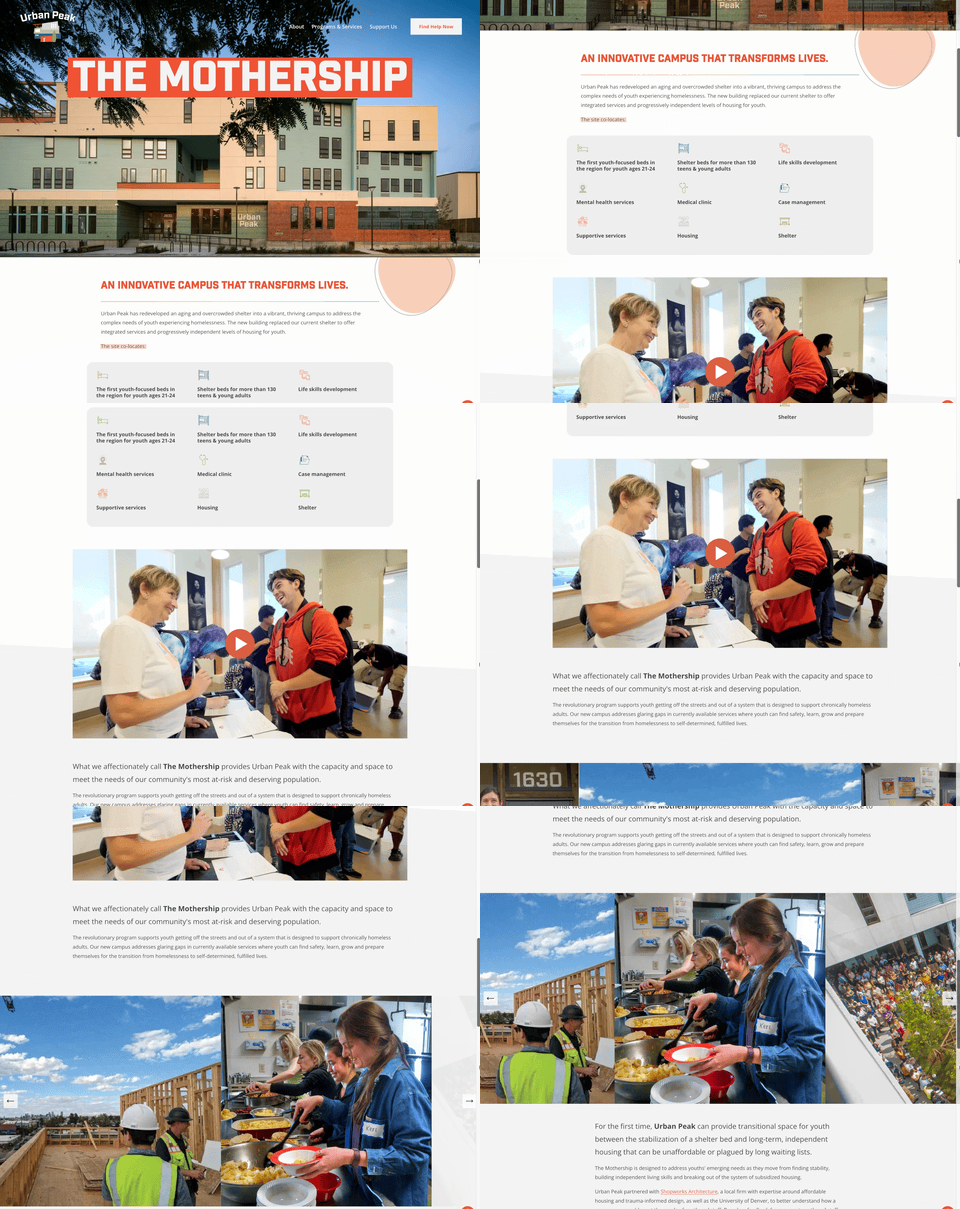
Urban Peak's Mothership page wasn't a brochure with social links. It was a live record of a multi-year construction project - donor updates, press coverage, event timelines, and eventually a full resource guide for youth in crisis. It mattered that they owned that space.
IGDA Foundation's job fair page wasn't just a Linktree with a Zoom link. It was a hub that served multiple audiences - emerging developers, studios, sponsors - with clear pathways for each. It told a story the algorithm wouldn't. And we paid careful attention to ensure it felt like it was speaking to indie game devs, and that it brought as much creativity to the way information was presented as you’d find in their own interactive work.
Your website is where you set the terms. Where you decide what people see first. Where you can ask someone to stay for five minutes instead of scrolling past in point-five-seconds.
What This Means When We Build
We're not interested in disposable templates or placeholder pages that exist just to check a box. We love advocating for sites that:
Reflect actual voice and mission, not just fill in template fields
Evolve as you do - new programs, new campaigns, new phases of growth
Keep people engaged - clear navigation, compelling content, reasons to explore beyond the homepage
Work for you, not against you - sites you can update without needing us for every change, but with structure solid enough to scale
The algorithm doesn't care about your story. Your website does.
What You Can Actually Do About This
We can't fix the platforms. But we can build things that work differently - and so can you.
Start that thing you've been putting off. The curated newsletter. The Discord for your niche community. The blog that's just you writing about what you care about, no algorithm required. Five years from now, you'll look back and see what you actually built - and the real people it reached. That matters more than going viral ever will.
Treat your attention like a budget. Unfollow accounts that make you feel worse. Mute keywords that spike your cortisol. Subscribe to creators who teach you something or make you laugh. Digital is nutrition - you wouldn't eat junk for every meal, so why scroll it?
Support platforms (and people) doing it differently. Subscribe to Substacks. Join paid communities. Buy directly from creators. When you pay for something, you're the customer - not the product. That changes the incentive structure completely.
Build for humans first. If you're creating anything digital - a site, a campaign, a product - ask: does this respect people's time and intelligence? Or does it try to trap them? We've turned down projects that felt like the latter. You can too.
Share work you believe in, not just what performs. The algorithm rewards outrage and extremes because we reward it with engagement. Break the cycle. Amplify the stuff that's thoughtful, generous, or just plain good - even if it doesn't have a million likes.
The Work Continues
The noise isn't going away. The extremes won't evaporate.
But we can choose what we build. And how we build it.
The internet used to feel like an extension of real life. It can again - if we're intentional about it.